The Cinema You Haven't Discovered Yet: Why Turkish Films Are Quietly Taking Over American Streaming
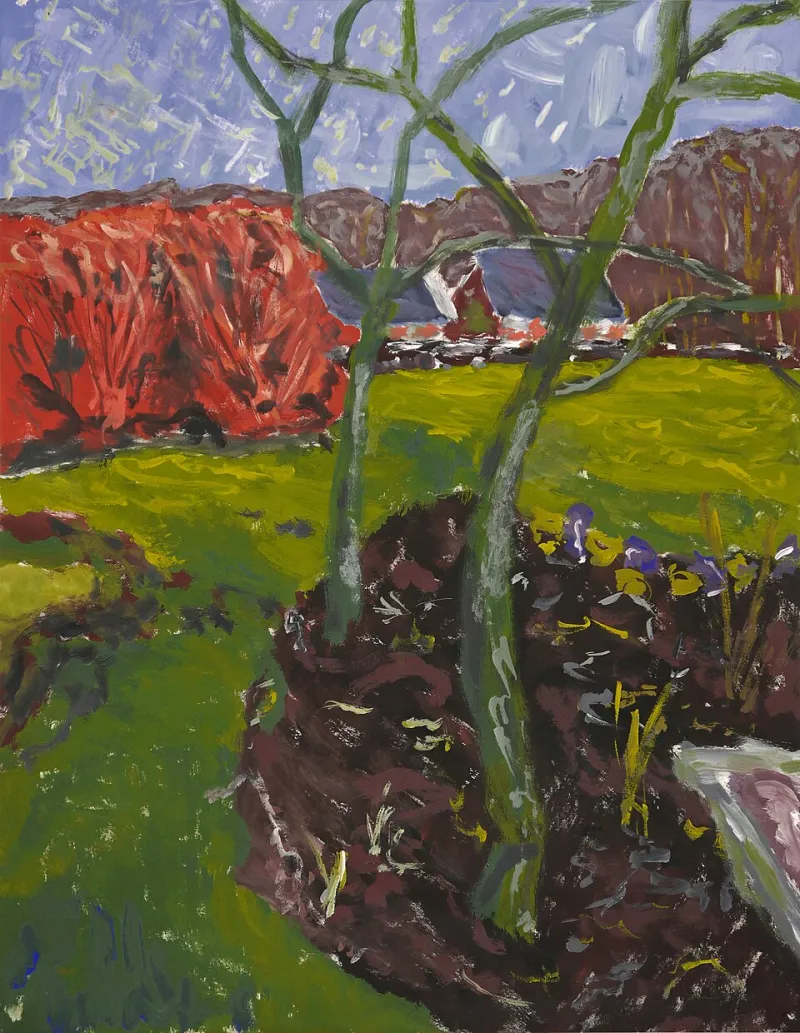
Photo: Fons Heijnsbroek, CC BY-SA 4.0, via Wikimedia Commons
Ask most American film fans to name a Turkish director and you'll get a long pause. Maybe someone mentions Nuri Bilge Ceylan if they've spent time on Letterboxd. But push past that pause and something interesting happens — because once people actually watch Turkish cinema, the reaction is almost always the same: why didn't anyone tell me about this sooner?
At AltFilm Bazaar, Turkish films are some of our most-reached-for titles, and the audience for them in the US has been quietly, steadily growing. This isn't a trend piece about the next Squid Game. It's something more interesting than that — a genuine cinematic tradition finding its audience on its own terms.
A Storytelling Tradition Built for the Long Game
Turkish cinema has deep roots, stretching back to the mid-20th century with directors like Yılmaz Güney, whose 1982 film Yol won the Palme d'Or at Cannes (co-directed while Güney was in prison, which is a story in itself). But the contemporary wave of Turkish filmmaking that's resonating with international audiences draws from something a little different — a willingness to sit with discomfort, to let silence do narrative work, and to treat landscape as a character.
This is partly cultural, partly geographic. Turkey occupies a unique position between Europe and Asia, between secular modernity and deep tradition, between urban velocity and rural stillness. That tension produces stories that feel genuinely unlike anything coming out of Hollywood — or, for that matter, out of most European art cinemas.
The Directors You Should Know
Nuri Bilge Ceylan is the obvious entry point, and for good reason. His film Once Upon a Time in Anatolia (2011) is one of the most quietly devastating crime films ever made — a murder investigation across a single night in the Turkish countryside that gradually becomes something far more philosophical. His Winter Sleep (2014) won the Palme d'Or and runs nearly three and a half hours; it earns every minute. If you want to understand what Turkish arthouse cinema is doing at its best, start here.
Reha Erdem is less known internationally but beloved among Turkish cinephiles. His films — including Times and Winds (2006) and Kosmos (2009) — operate almost like visual poems, prioritizing sensation and atmosphere over conventional plot mechanics. They're challenging in the best way.
Semih Kaplanoğlu won the Golden Bear at Berlin for Honey (2010), the final film in his Yusuf trilogy. The trilogy works backward through a young boy's life and gets progressively more spare and elemental as it goes. It's the kind of filmmaking that demands patience and rewards it generously.
More recently, directors like Emin Alper (Burning Days, 2022) have been bringing Turkish cinema into conversation with contemporary political anxiety in ways that feel urgent and globally relevant. Burning Days screened at Cannes and earned strong notices from American critics — one of the clearest signs that the door is opening.
What American Audiences Are Actually Responding To
It's worth asking why Turkish cinema, specifically, is landing with US viewers who've moved past the obvious entry points of Korean and French film.
Part of the answer is thematic. Turkish films frequently deal with the friction between individual desire and collective obligation, between modern aspiration and inherited expectation. Those tensions aren't uniquely Turkish — they're deeply American too. The specific cultural context is different, but the emotional core is familiar in ways that feel less exotic and more genuinely relatable.
There's also the visual language. Turkish arthouse cinema tends toward wide, carefully composed landscapes that recall the American West in their scale and loneliness. Viewers who love the spare visual poetry of directors like Kelly Reichardt or Terrence Malick often find themselves immediately at home with Ceylan's Anatolian plains.
The Distribution Problem (And How It's Slowly Getting Better)
Here's the honest part: finding Turkish films in the US has historically been a project. Distribution has been the major obstacle. Unlike Korean or French cinema, which have benefited from robust international distribution networks and dedicated US distributors like Well Go USA or Cohen Media Group, Turkish films have often struggled to find consistent theatrical or streaming homes in the American market.
That's changing, if slowly. MUBI — the curated streaming platform that's become something of a spiritual home for international arthouse — has been increasingly featuring Turkish titles. Criterion Channel has programmed Ceylan's work. And a handful of Turkish productions have found their way onto Amazon Prime Video and Plex's free ad-supported tier.
The bigger shift might be algorithmic. As streaming platforms gather more data on viewer behavior, they're learning that the audience for international cinema isn't a monolith. Someone who loved Drive My Car (Japanese) and The Worst Person in the World (Norwegian) might be exactly the viewer who'd respond to Once Upon a Time in Anatolia — and the platforms are beginning to make those connections.
A Short List to Get You Started
If you want to dive in, here are five films worth tracking down:
- Once Upon a Time in Anatolia (2011, dir. Nuri Bilge Ceylan) — The essential entry point. Crime film as existential meditation.
- Honey (2010, dir. Semih Kaplanoğlu) — Hushed, beautiful, and unexpectedly affecting.
- Times and Winds (2006, dir. Reha Erdem) — Three children in a remote village. Visually extraordinary.
- Burning Days (2022, dir. Emin Alper) — A young prosecutor arrives in a small town. Things get strange. Current and unsettling in all the right ways.
- Distant (2002, dir. Nuri Bilge Ceylan) — Two men sharing an apartment in Istanbul, barely talking. It sounds minimal because it is, and it's unforgettable.
The Bigger Picture
Turkish cinema isn't trying to be the next big thing. It's not chasing viral moments or engineering prestige-award campaigns the way some international film industries have learned to do. It's just making films — often slowly, often quietly, often in places far from any urban center — that reflect a complicated, layered, genuinely distinctive view of human experience.
For American audiences who've been asking for something that feels different from the Hollywood machine without feeling inaccessible, that's not a niche curiosity. That's exactly what they've been looking for.
You just had to know where to look.